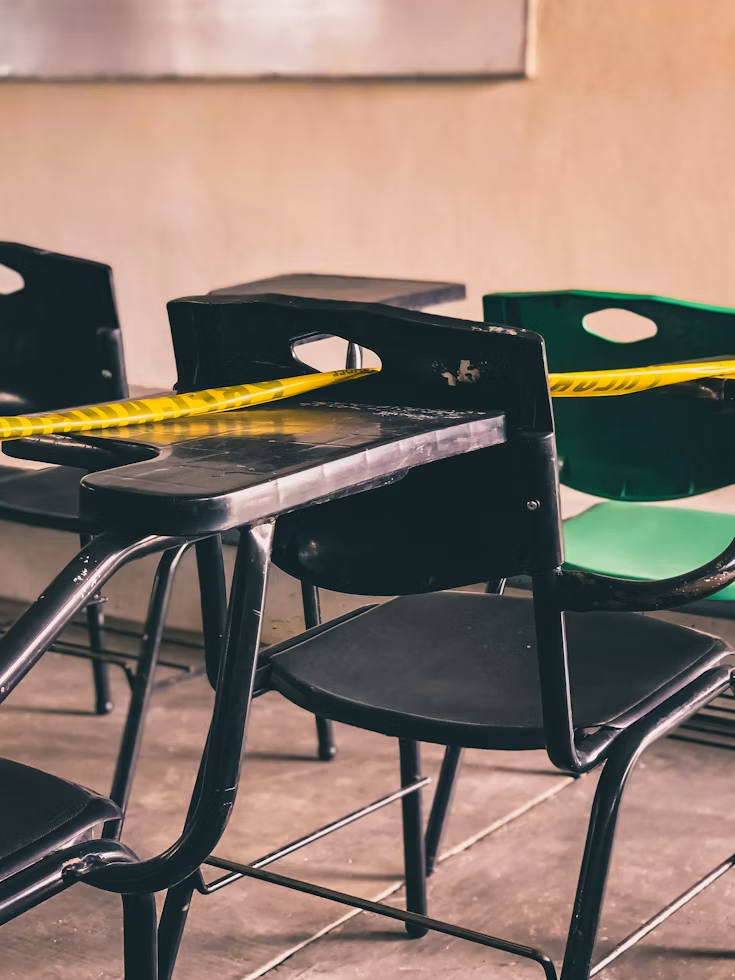
After watching a neighbor's home burn down in this same neighborhood, we made a decision: this school would be built in steel, not wood. Help us finish two fireproof classrooms and a kitchen so 48 students have a safe place to learn and breakfast to start the day.
The Need
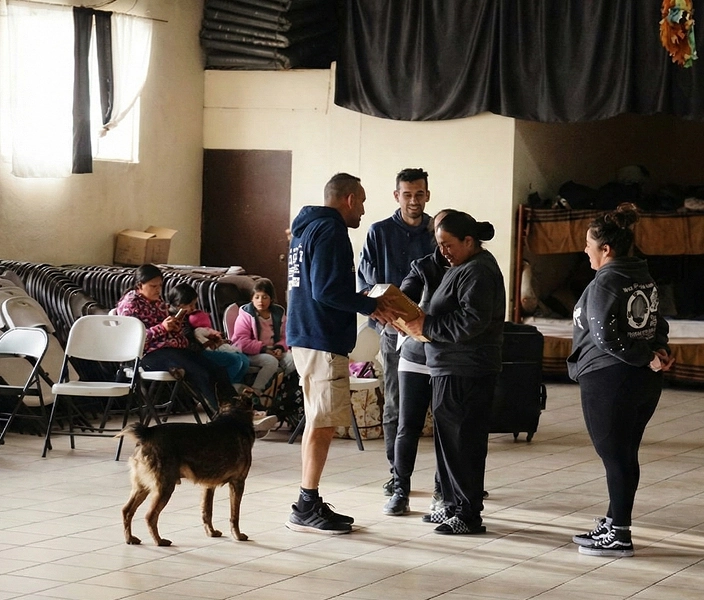
For years, our team has built homes in the hillside neighborhoods around Tijuana: foam panels and wood framing, because that's what a family here can afford. We've handed over keys. We've watched kids run through rooms that were theirs for the first time.
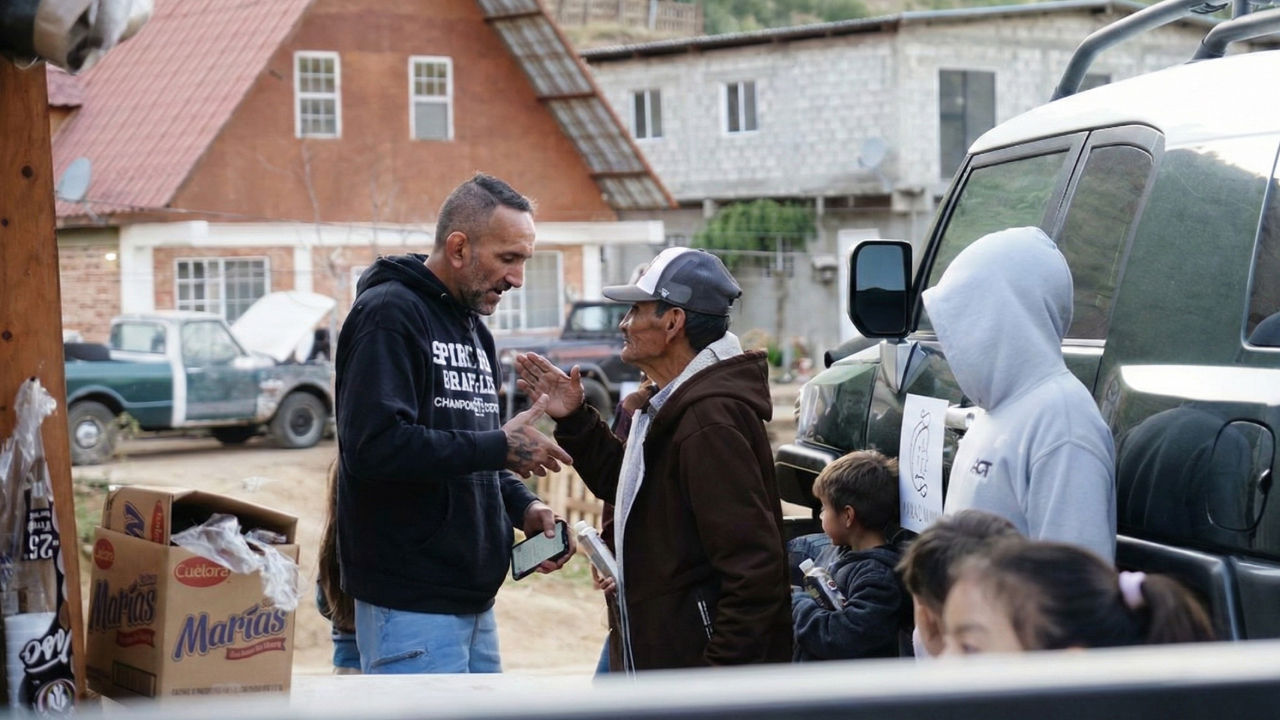
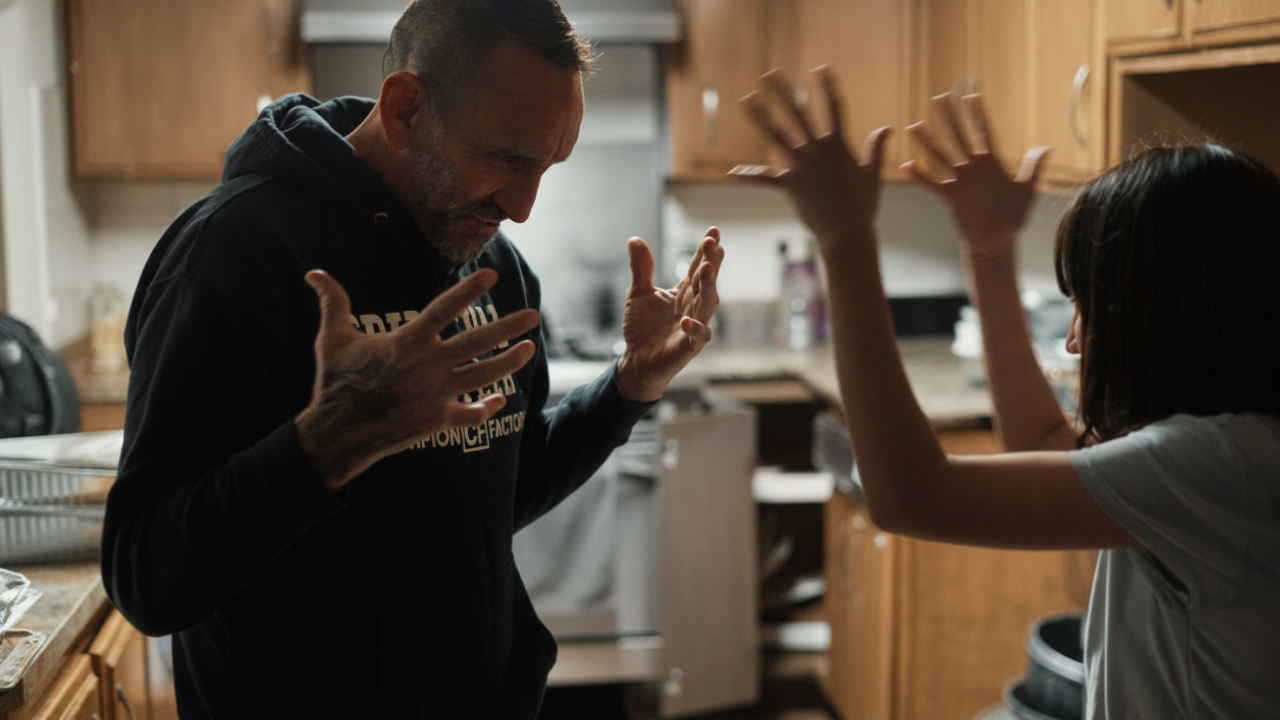
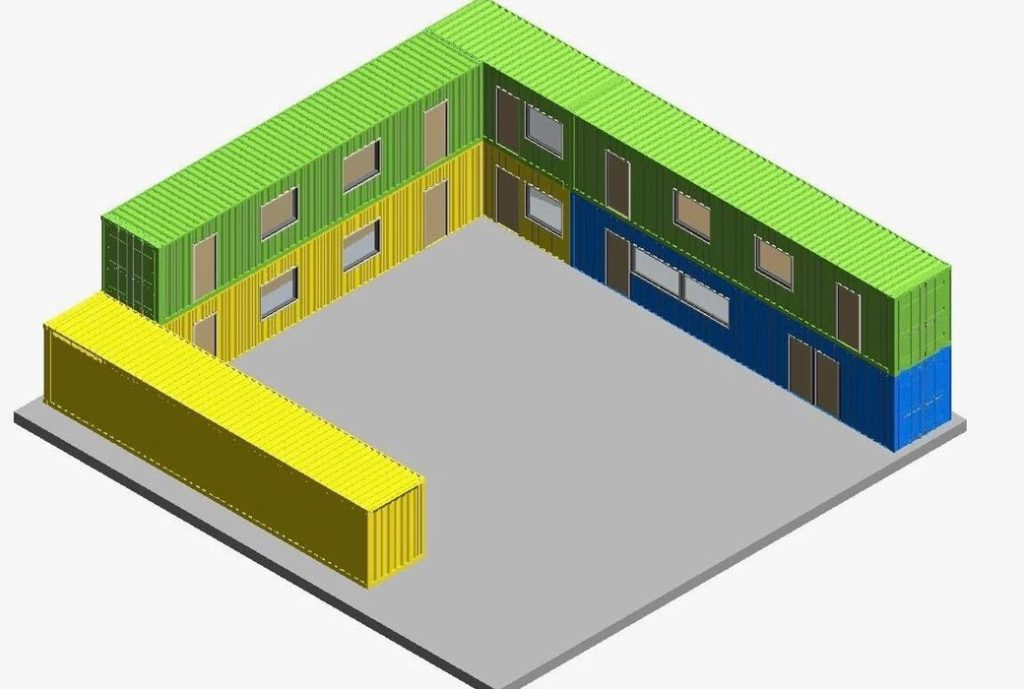
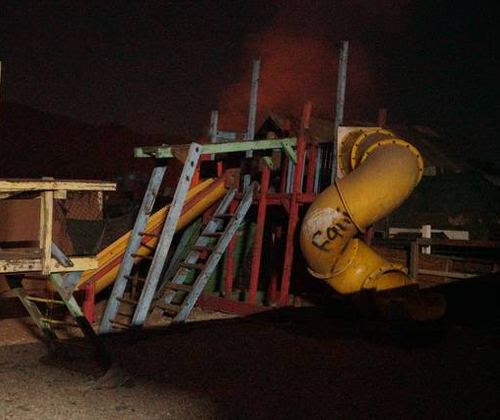
But a few doors down from one of those homes, another family's house burned to the ground. We came back afterward, not to build, but to help the community pick itself back up, and stood in the ashes of what used to be someone's kitchen, someone's bedroom. It's happened more than once, in more than one neighborhood.
So when it came time to give these kids their first real school, we were not going to build it the same way.
Why We're Building With Steel, Not Wood
A candle burns at up to 2,500°F. Wood starts to burn at around 450°F. Steel doesn't even begin to weaken until well past that: a gap big enough that it changed what this school is made of.
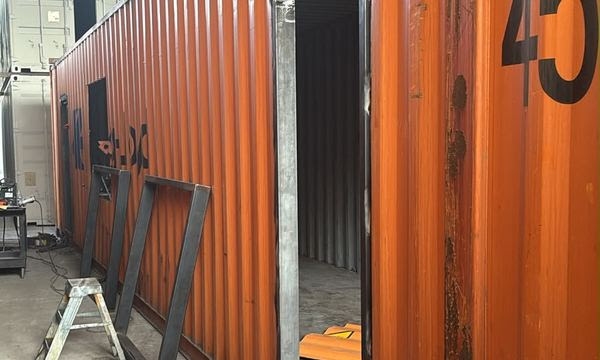
That's why this classroom isn't foam panels and lumber. It's two 40-foot steel shipping containers. Converting them is slower, harder work than framing a wood building: every door and window has to be cut by hand straight out of the steel wall, then framed and welded back so the container is just as strong with openings in it as it was without. But it means these kids get a classroom built to outlast what took a neighbor's home in minutes.
The Container Math
A standard 40-foot high-cube shipping container measures about 39.5 feet long, 7.8 feet wide, and 8.9 feet high on the inside, roughly 285 square feet of usable floor space once walls and framing are in. That high-cube ceiling height matters for classroom comfort; it's noticeably better than a standard container's lower ceiling.
For capacity, we're seating 20 to 24 students per container. A spacious U.S. classroom runs closer to 45 square feet per student, but that includes room most schools don't strictly need: reading corners, extra storage, wide aisles. Container classrooms worldwide operate safely and comfortably at a tighter, efficient row layout, and 20 to 24 students per room is the number that keeps this classroom real and functional without feeling cramped.
What We're Building
- Two 40-foot high-cube steel shipping containers, each converted into a classroom holding 20 to 24 students: 48 students seated once both are finished
- Each classroom insulated, wired, lit, and fitted with desks, chairs, and whiteboards
- A small kitchen built alongside the classrooms: commercial stove or range, refrigerator, prep tables, a three-compartment sink, shelving, and cookware, so every student gets breakfast, every school day
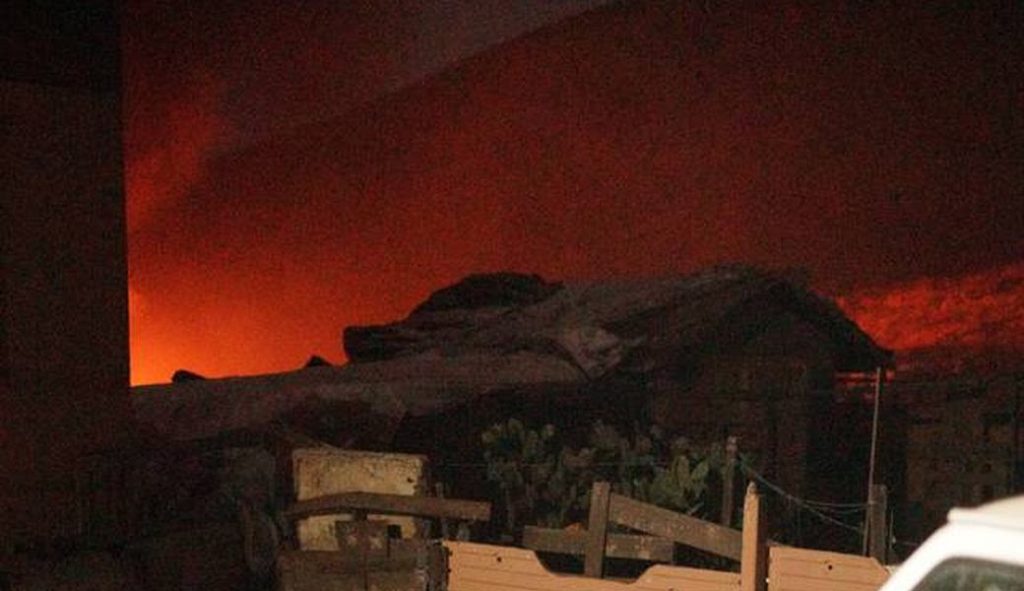
- This is phase one of a larger plan: two levels of steel classrooms wrapped around an open courtyard, built one section at a time as more kids come. Every container after this one lands in a spot already drawn into that plan.
Where Things Stand Right Now
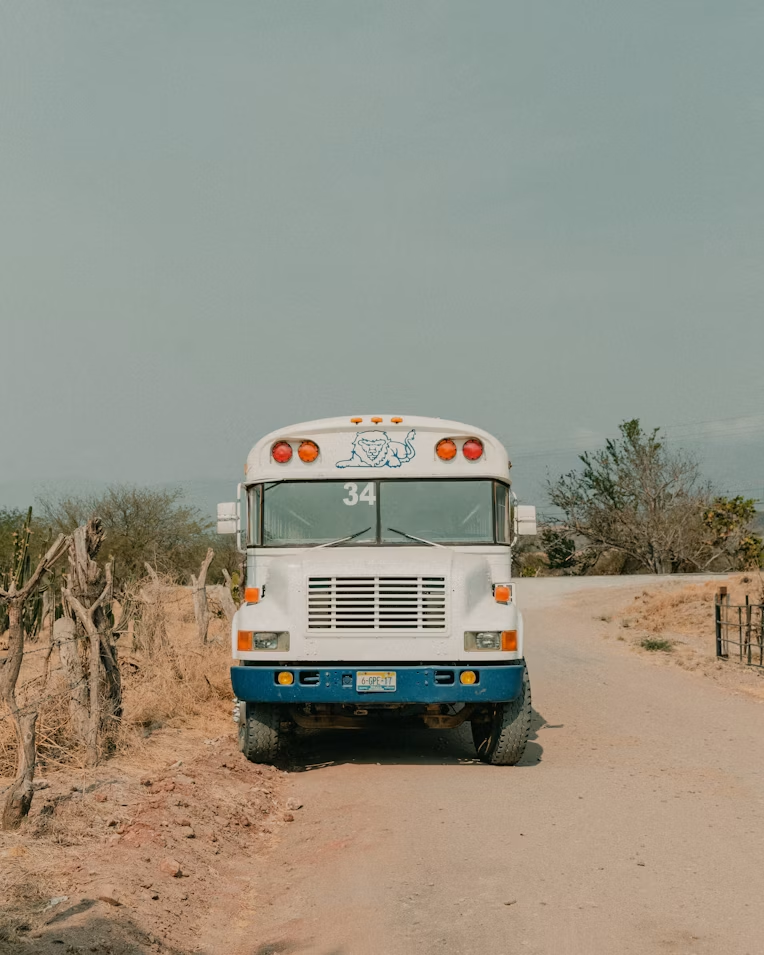
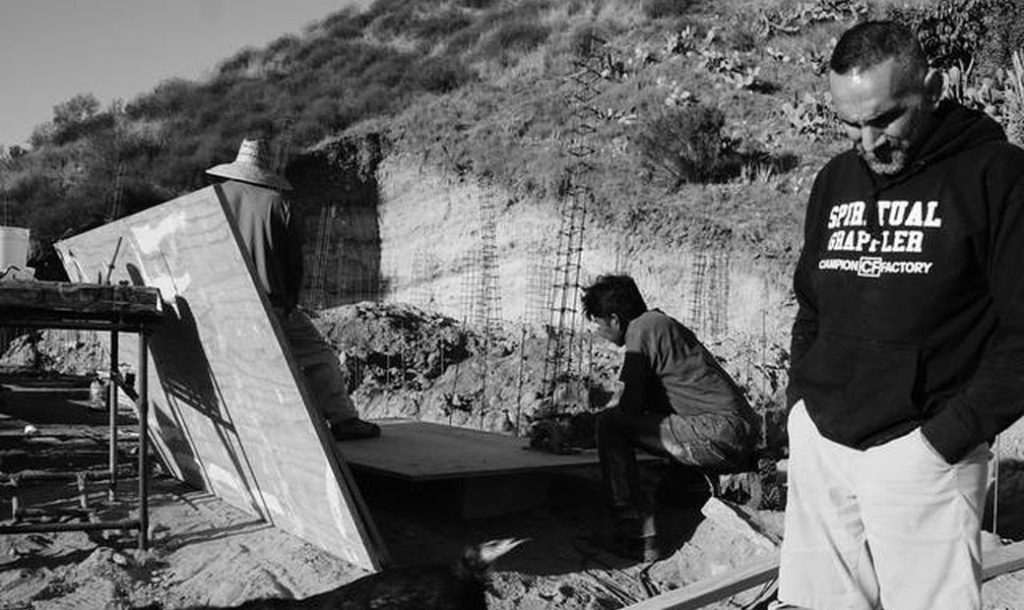
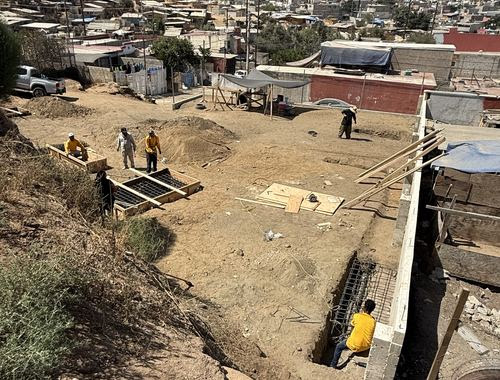
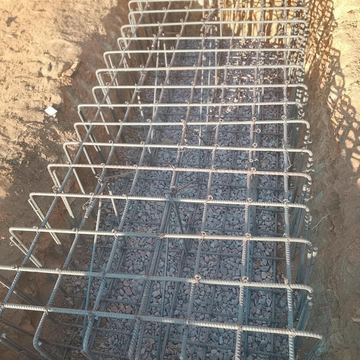
As of September 2026: both classroom containers have been cut, framed, sealed, primed, and painted, one green, one blue, and have left the fabrication yard on flatbed trucks bound for the school site. On the hillside, the crew has already poured the foundations these containers will sit on, footing by footing, with every rebar cage tied by hand.
Next up: insulation, wiring, lighting, and desks inside the classrooms, plus construction of the kitchen next door.
Why It Matters
A finished classroom means a student sits at a real desk for the first time. It means breakfast every school day, not just some. And it means the building around them won't disappear in an afternoon the way homes nearby already have. Somewhere on that Tijuana hillside, in a room that doesn't exist yet, a child is about to have their first day of real school.
What Your Gift Builds
- Build 1 of 2, two steel classrooms: cutting, framing, insulation, wiring, and furnishing for 48 students
- Build 2 of 2, a kitchen for breakfast: commercial stove, refrigerator, prep tables, three-compartment sink, and shelving
Goal: $45,000
Frequently Asked Questions
Why did you choose shipping containers instead of a traditional building?
Steel doesn't burn the way the wood and foam homes in this neighborhood do. After watching a nearby house burn down, we chose a material built to last decades, not years.
How many students will this classroom serve?
48 students, seated across two converted classrooms, 20 to 24 per room.
Where is this school being built?
A hillside neighborhood in Tijuana, Mexico, where CFM has worked for years.
Is this the whole school?
No, it's phase one. The full plan is two levels of steel classrooms wrapped around a courtyard, built section by section as funding allows and more kids come.
What does my donation go toward?
The $45,000 goal covers finishing both classrooms (insulation, wiring, desks) and building the kitchen that will serve breakfast to every student.