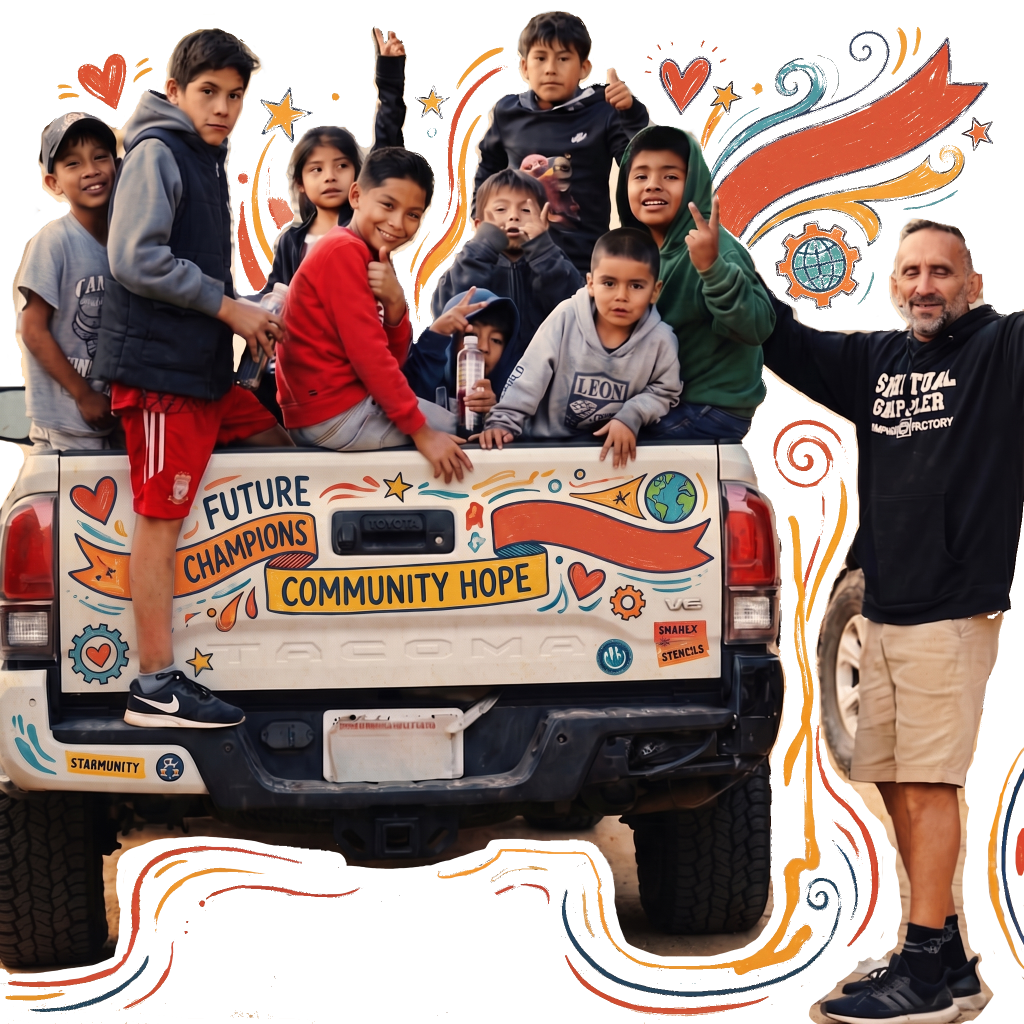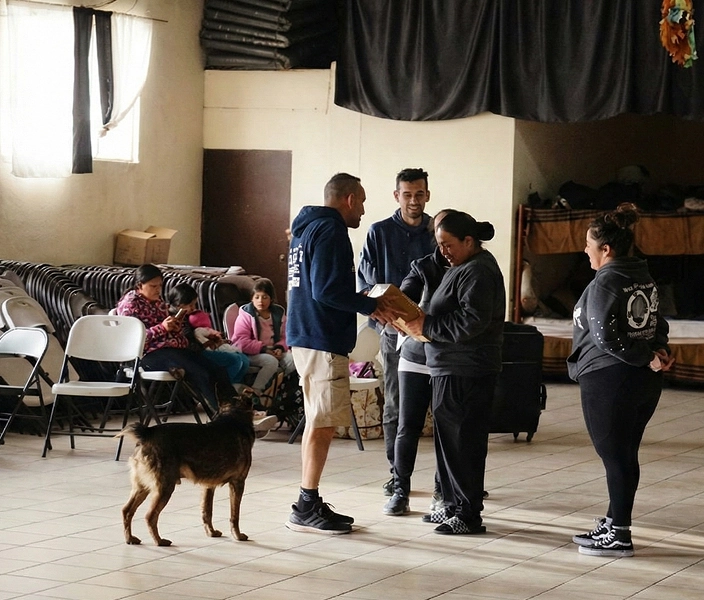






One year ago, we started keeping dog food on hand for the people we serve, alongside the food, mentorship, and support already part of our outreach. We did not expect it to become one of our clearest lessons in what whole-community care actually looks like.
In this article, we look back at what a year of feeding pets taught us about caring for the whole person. We share what we learned, what scripture says about compassion in action, and how this small outreach connects to everything else we do.
Why We Feed the Pets of the Families We Serve
We feed pets because the people we serve often will not accept help that asks them to give up someone they love. A pet is frequently one of the few steady relationships someone has during an unsteady season. Feeding that pet is one way we honor the whole family.
Many families and individuals who come to us are facing real hardship, from housing instability to recovery after a hard season. Their pets often provide steady companionship through it. A three-year study from the University of Southern California found that a meaningful share of people experiencing unsheltered homelessness care for a pet, and many face real barriers to receiving help because of it.

Proverbs 12:10 puts it simply. "The righteous care for the needs of their animals, but the kindest acts of the wicked are cruel" (NIV). Caring well, even for the smallest and most overlooked need, reflects a compassionate heart.
"We started this because we kept meeting families who would rather sleep outside than give up their dog. Feeding that dog was the first way we could show them their whole family mattered to us." Todd Medina, President & Founder
How Feeding a Pet Builds Trust for Deeper Care
Feeding a family's pet often becomes the first step toward helping the whole family. When someone trusts us with something as simple as their dog's next meal, that trust often grows into a willingness to accept support for themselves too.
This pattern shows up in national research too. A national survey found that 22 percent of unhoused individuals avoided shelter because their pet was not allowed to come with them. When outreach removes that barrier, people are far more willing to accept other kinds of help.
In our experience, this simple act does a few specific things at once.
- Removes a real barrier to receiving help
- Builds trust before asking for anything else
- Treats the whole family with dignity
- Opens natural conversations about deeper needs
This is especially true for people recovering from unsafe or difficult situations, where a pet may be one of the few steady relationships they have left. Our Rescue and Recovery program walks alongside individuals in these seasons, working together with licensed counselors and professional support services rather than replacing them. If you or someone you know is facing abuse or crisis, please reach out to a licensed professional or local crisis resource in addition to any support a ministry can offer.
What a Full Year and 3,500 Dogs Taught Us
After one year, feeding 3,500 dogs taught us that whole-community outreach cannot stop at a person's most visible need. Real care pays attention to the details someone else might overlook, because those details are often what a person is quietly worried about most.
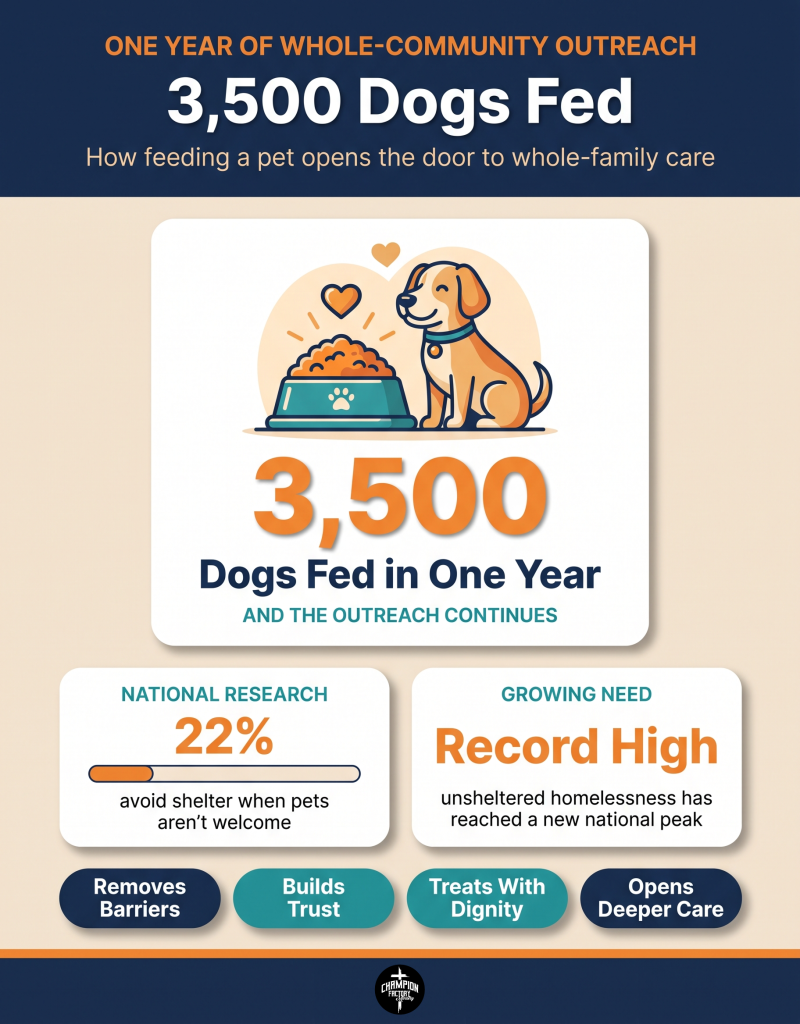
The need behind this outreach keeps growing. Unsheltered homelessness in the United States reached a record high in recent years, and research from Faunalytics shows that many families quietly worry about having enough food for their animals, even when they never say so out loud. A year of showing up taught us that this worry is real, and that meeting it matters.
A social worker in a similar outreach put it well. "We take care of the whole person, and the canine is just as important as anything else," said David Woody, who leads a homeless recovery center in Dallas. That matches exactly what a year of this outreach confirmed for us too.
"A year of this taught our team something simple. People are far more willing to talk about their own needs once they see we care about what they care about." Art Montgomery, Global Evangelism Strategy Architect & Board Visionary Luminary
What Scripture Says About Caring for the Whole Person
Scripture consistently calls believers to love in tangible, practical ways rather than words alone. Caring for the whole person, including what they love, reflects the kind of compassion the Bible describes again and again. This conviction shapes how we approach every part of our outreach.
First John reminds us that love without action falls short. "Dear children, let us not love with words or speech but with actions and in truth" (1 John 3:17-18, NIV). This is why our outreach is practical first. We believe compassion should be something people can see and receive.
"First John says to love in truth and action. Feeding a family's dog is a small, practical way we try to live that out." Todd Medina, President & Founder
How This Fits into Our Broader Mission
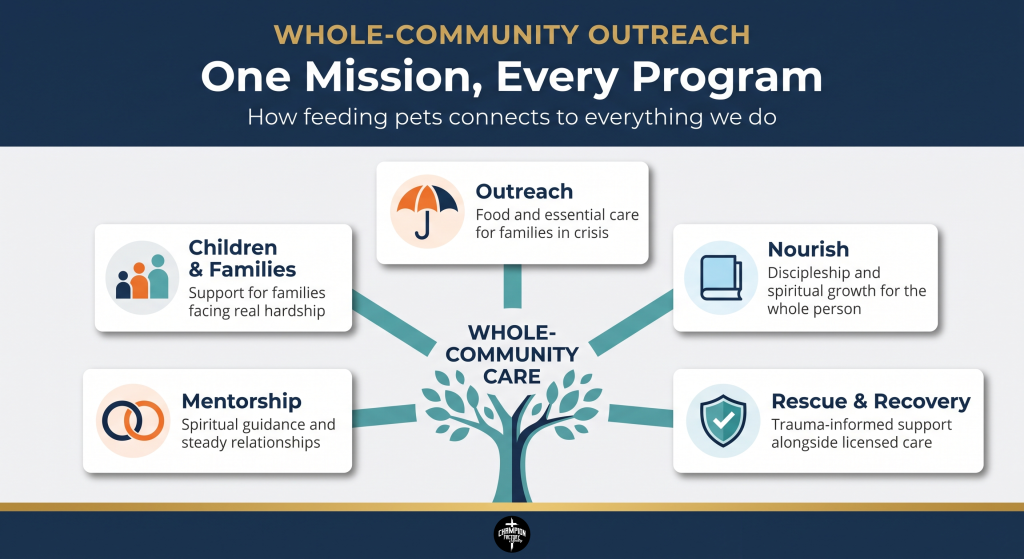
Feeding pets is not a separate program. It is one expression of the same mission that shapes our mentorship, food and care outreach, and support for children and families facing hardship. This outreach grew directly out of that same commitment.
This work connects closely to our Outreach and Nourish programs, which provide food, essential care, and discipleship to individuals and families across our community. You can see more of the families and stories behind this work on our impact page.
Be Part of the Next Year of Whole-Community Outreach
One year and 3,500 dogs later, we are more convinced than ever that whole-community care means paying attention to every part of a person's life, even the parts that seem small. This outreach continues because of people who believe the same thing.
"We are not slowing down. If a bowl of dog food helps someone trust us enough to accept real support, we will keep filling that bowl." Art Montgomery, Global Evangelism Strategy Architect & Board Visionary Luminary
You can be part of the next year of this work. Give, volunteer, or reach out to partner with us as we keep showing up for the whole person.
FAQ
Does Champion Factory Ministry Only Help People Who Have Pets?
No. Feeding pets is one part of a larger outreach that includes food, mentorship, and support for children, families, and individuals facing hardship.
How Can I Support This Outreach?
You can give, volunteer, or partner with us through our get involved page.
Is This Outreach Connected to a Specific Program?
Yes. It grew out of our Outreach and Nourish programs, which provide practical care alongside spiritual encouragement.