



You may want to help but worry that one wrong move could put someone in danger. Accurate facts make safe help possible.
At Champion Factory Ministry, the starting point is that every person is made in the image of God. That belief shapes the response: dignity first, then patient, long term restoration. This guide gives you the legal definition, safe reporting steps, and ways your church can help.
What Is Human Trafficking Under Federal Law?
Human trafficking is a crime that compels or coerces a person into labor, services, or commercial sex acts. The U.S. Department of Justice adds a rule for minors: exploiting a minor for commercial sex is trafficking "regardless of whether any form of force, fraud, or coercion was used."
The Department of Justice also says there is no single profile of a trafficking victim. Genesis 1:27 (NLT) says, "So God created human beings in his own image." Trafficking is a wrong done to a person who carries that dignity.
Myths About Kidnapping and Borders
Many people picture a stranger taking someone across a border. The model the National Human Trafficking Hotline uses to explain federal law looks at action, means, and purpose. The action can be recruiting, harboring, or obtaining a person, so transporting is only one option.
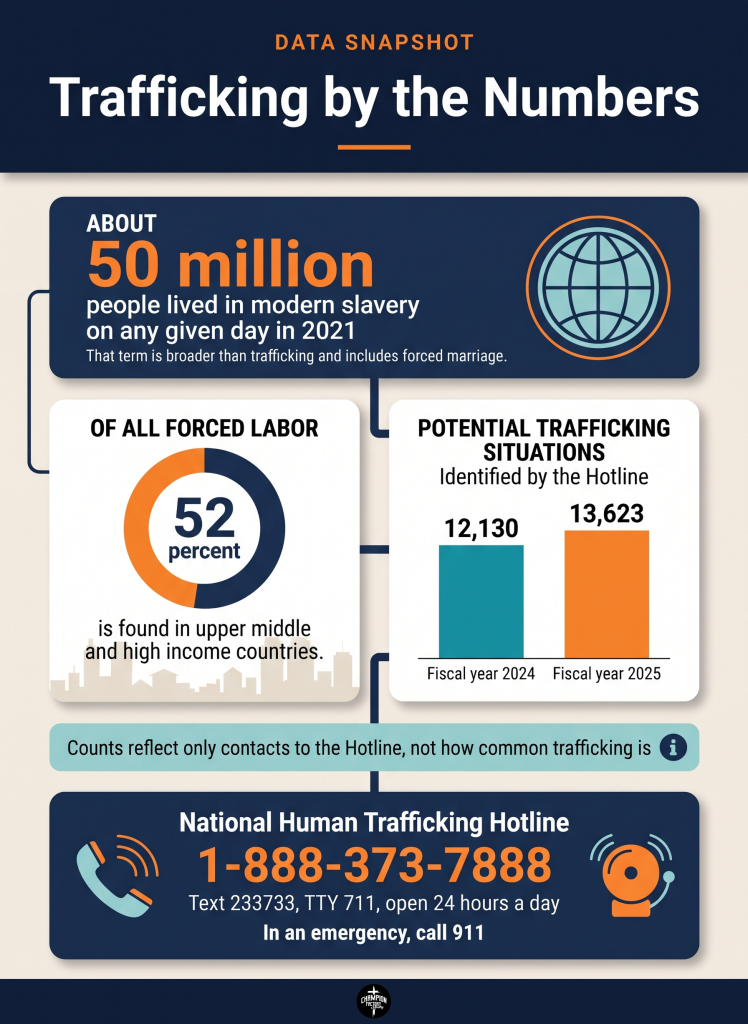
The ILO estimates that about 50 million people lived in modern slavery on any given day in 2021. That term is broader than trafficking and includes forced marriage. Of all forced labor, 52 percent is found in upper middle and high income countries.
What Should You Do If You Suspect Trafficking?
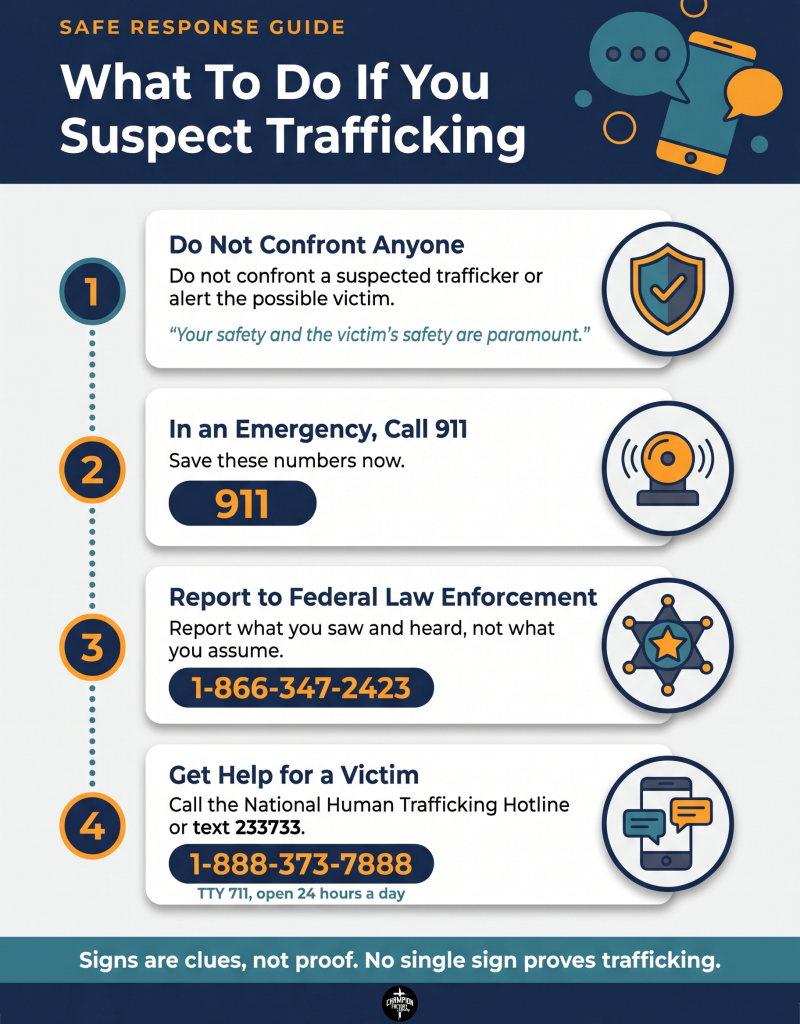
Save these numbers now. In an emergency, call 911. To report to federal law enforcement, call 1-866-347-2423. For help for a victim, call the National Human Trafficking Hotline at 1-888-373-7888 or text 233733. Do not confront a suspected trafficker or alert the possible victim.
The Department of Homeland Security explains why: "Your safety and the victim's safety are paramount." The Hotline lists TTY 711 and is open 24 hours a day.
In federal fiscal year 2025, the Hotline identified 13,623 potential trafficking situations, up from 12,130 in fiscal year 2024, according to federal Hotline data. Those counts reflect only contacts to the Hotline, not how common trafficking is.
Signs Are Clues, Not Proof
Federal guidance says no single sign proves trafficking. Report what you saw and heard, not what you assume.
How Does Scripture Shape a Christian Response?
Micah 6:8 (NIV) names what God asks: "To act justly and to love mercy and to walk humbly with your God." Applied to trafficking, justice means learning the facts, mercy means caring for people with dignity, and humility means working with trained responders instead of acting alone.
The Blue Campaign says faith leaders are in a "unique position to help stop human trafficking" in its toolkit for faith communities.
"Outreach should be judged by whether it protects the dignity and safety of the people involved." Art Montgomery, Global Evangelism Strategy Architect & Board Visionary Luminary
Speaking Up Starts With Reporting
Proverbs 31:8 (NIV) says, "Speak up for those who cannot speak for themselves, for the rights of all who are destitute." For most of us, speaking up starts with learning the facts and calling the numbers above.
How Churches and Partners Can Help
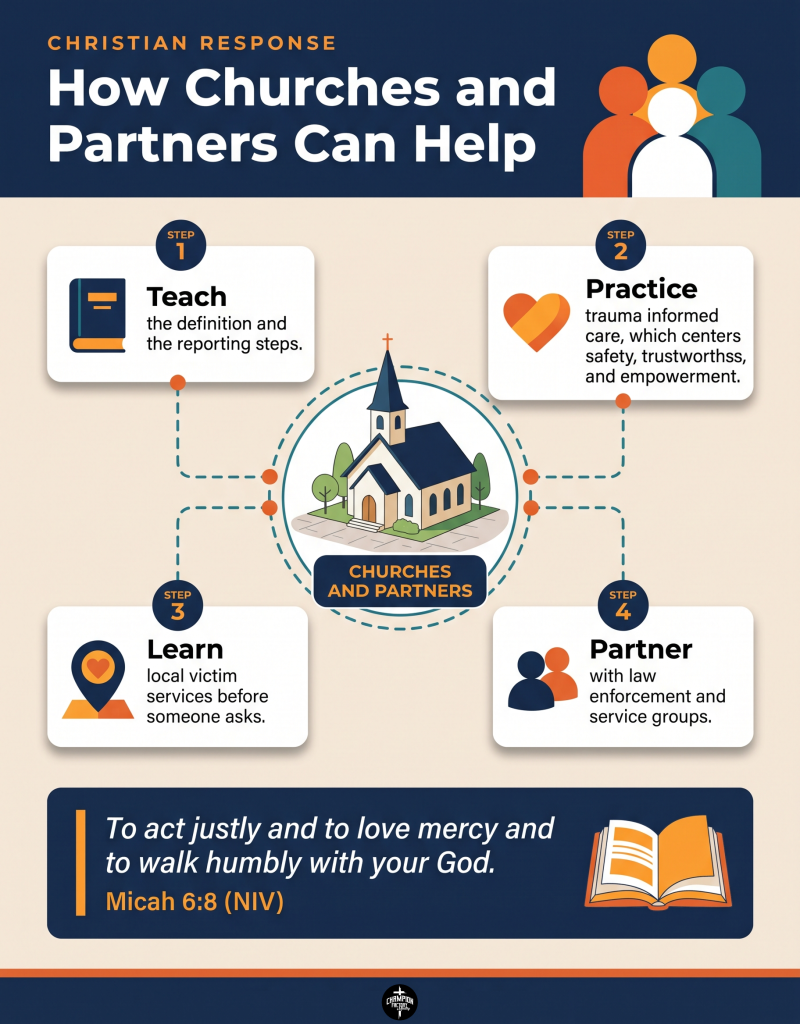
Federal guidance for faith communities points to four actions:
- Teach the definition and the reporting steps.
- Practice trauma informed care, which centers safety, trustworthiness, and empowerment.
- Learn local victim services before someone asks.
- Partner with law enforcement and service groups.
What Does Long Term Restoration Look Like?
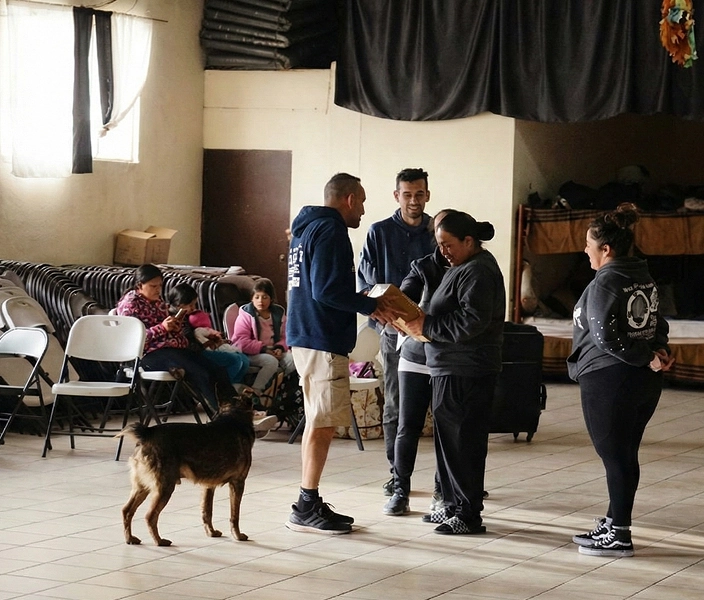
You want to help, and a single call is only the first step. Restoration takes steady care long after a person is safe. It includes help with immediate needs, mentorship, and trusted relationships that continue while people work toward stability, healing, and renewed confidence.
Hebrews 13:3 (NIV) asks believers to remember "those who are mistreated as if you yourselves were suffering."
How the Ministry Supports Recovery
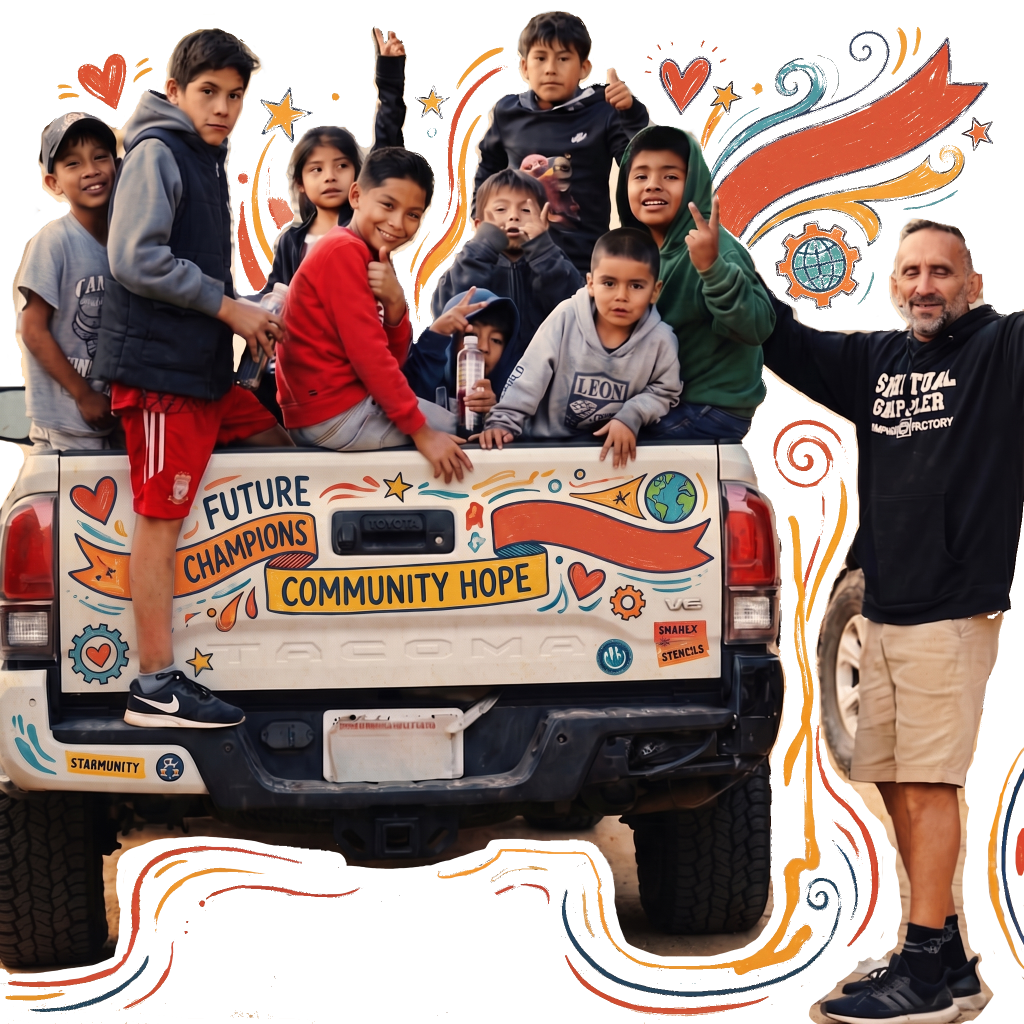
The Rescue and Recovery program supports people who have experienced trafficking, exploitation, abuse, or unsafe living situations. The program page says, "Our role is to walk alongside each person with patience, dignity, and hope." The work focuses on support and recovery alongside partner organizations that help keep people safe and stable.
The Our Approach page lists four steps: immediate support, ongoing care and mentorship, faith centered guidance, and long term restoration. Mentorship is relationship-based and designed to be consistent over time, and the length of support varies with each person's needs.
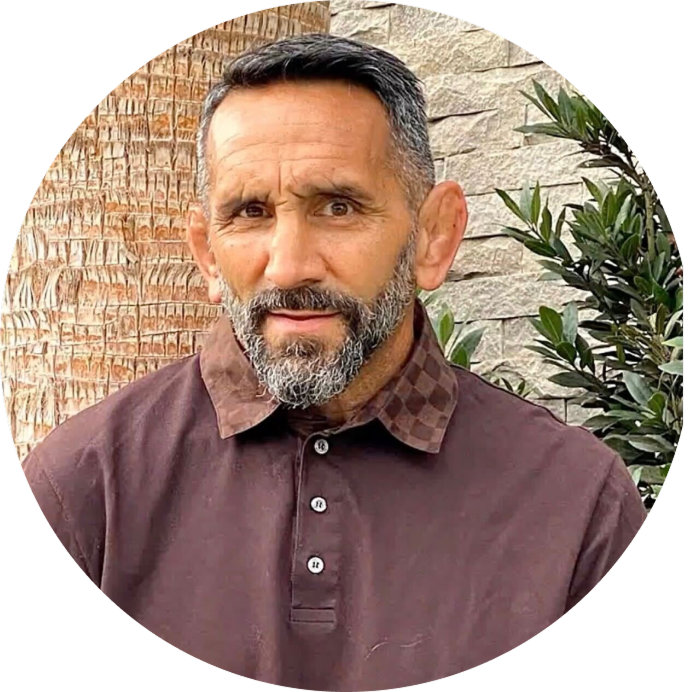
"Trust is rebuilt through ordinary, steady kindness from people who keep showing up." Todd Medina, President & Founder
The ministry does not present its recovery work as a guaranteed outcome. Faith centered care also does not replace counseling, medical care, or legal help. Anyone recovering from trafficking should be encouraged to seek that professional help too.
Learn the Facts, Report Safely, and Stay Present
The Christian response to human trafficking is to learn the definition, report safely, and support recovery over the long term. You do not need to rescue anyone to make a difference. Start by saving the Hotline number, then ask how your church could support recovery alongside trained partners.
Pray for people who have been mistreated and for the responders who help them. To volunteer or learn more, see the Get Involved page.
FAQ
What Is the Difference Between Trafficking and Smuggling?
Smuggling is a separate crime about illegal border crossing. The National Institute of Justice notes that smuggling can become trafficking when force, fraud, or coercion is added.
Does the Ministry Handle Emergencies?
No. The ministry focuses on support and recovery alongside partner organizations, so emergencies go to 911 and the Hotline.
How Can Families Under Strain Be Supported?
The Department of Justice says traffickers target people with vulnerabilities such as poverty. Steady help for families under hardship can ease that strain, though no single effort prevents trafficking. The ministry's Children and Families program supports families under hardship.